Anchor Clipart: A Versatile Resource for Designers and Creators
For designers, illustrators, and content creators, the need for high-quality, customizable graphics is constant. Among the many options available, Anchor Clipart stands out as a comprehensive digital resource that offers a wide range of formats and use cases. This article explores what Anchor Clipart is, how it compares to similar tools and resources, and when it may be the best choice for your design needs.
What Is Anchor Clipart?
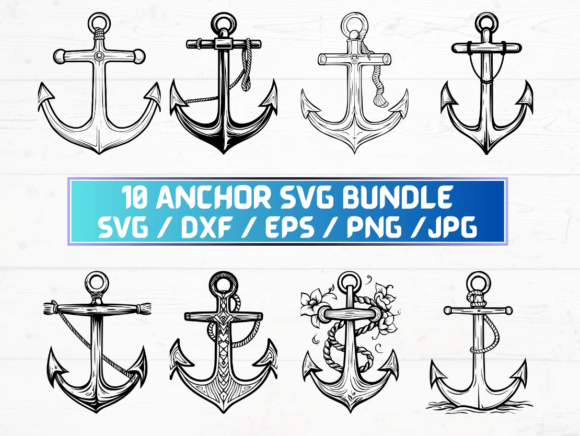
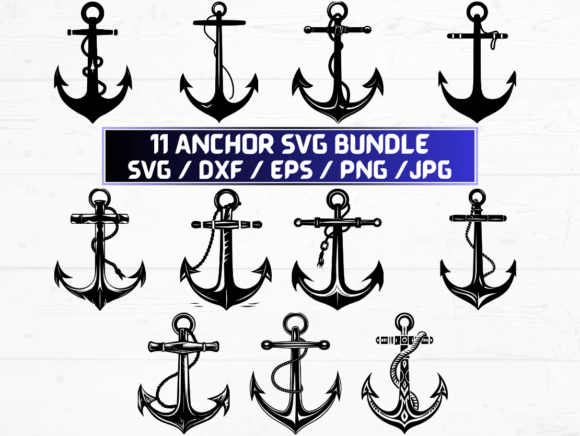
Anchor Clipart is a collection of graphic assets designed for use in various creative projects. Unlike traditional clipart, which often lacks scalability and flexibility, Anchor Clipart provides a diverse set of files that can be easily adapted to different platforms and applications. The product includes five file types—SVG, PNG, DXF, JPG, and EPS—all delivered in a single ZIP folder. Each format is optimized for specific uses, ensuring that users have the right tool for the job.
The package contains 11 files in each format, totaling 55 graphic assets. These are all provided at 300 dpi with transparent backgrounds, making them ideal for both print and digital use. Whether you're working on a website, a print publication, or a vector-based design, the variety of formats ensures compatibility with most design software and output requirements.
Comparing Anchor Clipart With Similar Options
When evaluating graphic resources, it's important to consider factors such as file quality, format versatility, ease of use, and cost-effectiveness. While there are many clipart libraries available online, few offer the same level of detail and flexibility as Anchor Clipart.
One key advantage of Anchor Clipart is its support for multiple file types. For instance, SVG files are perfect for web and responsive design due to their scalability, while EPS and DXF files are ideal for professional printing and CAD applications. PNG and JPG files provide high-resolution images for use in presentations, social media, and other visual content.
Compared to generic clipart collections, Anchor Clipart’s emphasis on transparency and resolution makes it particularly useful for designers who require clean, editable graphics. Many free clipart sources lack these features, which can limit their usefulness in professional settings.
However, it's worth noting that Anchor Clipart is not the only option on the market. Some competitors offer similar bundles, but they may differ in terms of file quality, pricing, and format diversity. When choosing between options, it's essential to compare the specific needs of your project against the features offered by each product.
Strengths and Limitations of Anchor Clipart
Like any digital asset library, Anchor Clipart has its strengths and limitations. One of its primary strengths is the variety of formats it provides. This allows users to select the most appropriate file type for their specific application, whether it's for web development, graphic design, or print production.
Another benefit is the inclusion of transparent backgrounds, which is a crucial feature for designers working with layered compositions or integrating graphics into existing designs. This level of customization is often missing from standard clipart offerings.
Despite these advantages, Anchor Clipart does have some limitations. For example, the number of graphics included in the bundle is relatively small—only 11 per format. While this may be sufficient for certain projects, it may fall short for those requiring a larger selection of assets.
Additionally, since this is a digital product, there is no physical delivery. Users must be comfortable with instant download services and may need to ensure they have the necessary software to open and edit the files. However, this limitation is common across most digital graphic packages and should not deter potential buyers who are familiar with the process.
When to Choose Anchor Clipart
Anchor Clipart is an excellent choice for designers who value versatility and quality. It is particularly well-suited for projects that require high-resolution, scalable graphics. For instance, if you're creating a logo or branding material that will be used across multiple platforms, the combination of SVG and EPS files can help maintain consistency and clarity.
It is also ideal for individuals who need to work with transparent backgrounds. Whether you're designing a website banner, a social media post, or a printable poster, the ability to layer graphics without background interference can significantly enhance the final result.
Furthermore, Anchor Clipart is a great option for those who prefer a straightforward, no-frills approach. Unlike some complex graphic design tools, this package provides ready-to-use assets that can be quickly integrated into your workflow without the need for extensive editing or customization.
Alternatives and Decision Factors
If Anchor Clipart doesn't meet your specific needs, there are several alternatives to consider. Free clipart libraries such as OpenClipart and Flaticon offer a wider selection of graphics, but they may lack the same level of quality and formatting options. Paid clipart packages from design marketplaces like Creative Market or Etsy can also provide high-quality assets, though they may come at a higher cost.
When deciding between options, it's important to evaluate your project requirements. If you need a small, high-quality bundle with multiple file types, Anchor Clipart is a strong contender. However, if you require a larger selection of graphics or more advanced editing capabilities, you may need to explore other solutions.
Ultimately, the decision should be based on your specific goals, budget, and technical requirements. By carefully comparing the features and benefits of each option, you can make an informed choice that best suits your needs.
Conclusion
In conclusion, Anchor Clipart is a valuable resource for designers and creators who need reliable, high-quality graphics in multiple formats. Its focus on transparency, resolution, and versatility makes it a practical choice for a wide range of applications. While it may not be the best fit for every project, it offers a balanced solution that prioritizes usability and adaptability.