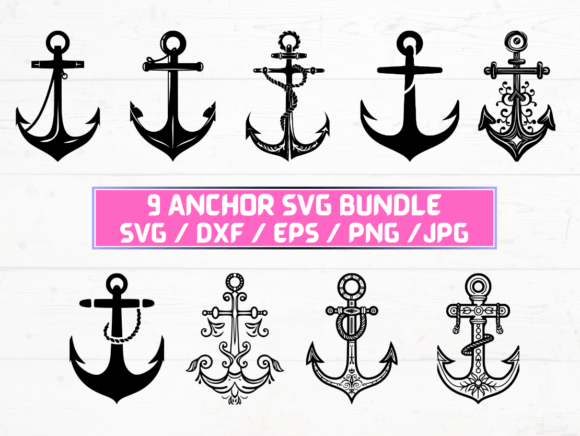
Anchor SVG File: A Versatile Tool for Creative and Business Workflows
The Anchor SVG File is more than just a graphic—it’s a foundational asset that bridges design, functionality, and workflow efficiency. Whether you're a designer, marketer, educator, or small business owner, understanding how to leverage this file format can significantly enhance your productivity and output quality. With its scalability, compatibility, and versatility, the Anchor SVG File fits seamlessly into a wide range of creative and operational processes.
What Is an Anchor SVG File?
An SVG (Scalable Vector Graphics) file is a vector-based image format that allows for high-quality, resolution-independent graphics. The term "Anchor" in this context refers to the file's role as a central reference point or building block within a project. Unlike raster images like PNGs or JPGs, SVG files maintain clarity at any size, making them ideal for both digital and print applications.
The Anchor SVG File typically comes with complementary formats such as PNG, DXF, EPS, and JPG, ensuring cross-platform compatibility and flexibility. This bundle of files provides users with multiple options depending on their specific needs—whether it's for web use, print, or integration into design software.
Where Does the Anchor SVG File Fit in a Workflow?
The Anchor SVG File can be integrated at various stages of a project, from initial concept development to final delivery. For instance, during the planning phase, it might serve as a visual anchor for branding or design elements. During execution, it can act as a reusable component across different assets. And in post-production, it can be used for consistency across marketing materials, presentations, or educational content.
For professionals who rely on consistent visual elements—such as logos, icons, or templates—the Anchor SVG File becomes an essential tool. It ensures that all outputs maintain a cohesive look and feel, which is critical in branding, publishing, and digital marketing.
Integration with Other Tools and Platforms
The true power of the Anchor SVG File lies in its compatibility with a variety of tools and platforms. Designers often use Adobe Illustrator or Inkscape to edit SVG files, while developers may integrate them directly into web projects using HTML or CSS. The inclusion of DXF and EPS formats also makes it compatible with CAD software and professional printing workflows.
One of the key advantages of the Anchor SVG File is its ability to work alongside other digital assets. For example, when creating a website, the SVG can be embedded directly into HTML code, allowing for interactive and responsive design elements without compromising quality. Similarly, educators can use the file as part of instructional materials, embedding it into slides, handouts, or digital textbooks.
When working with teams, the Anchor SVG File can streamline collaboration by providing a single source of truth for visual assets. This reduces the risk of inconsistencies and ensures that everyone is working with the same design elements, whether they're editing in a design suite or sharing files across platforms.
Practical Implementation Tips
To get the most out of the Anchor SVG File, consider the following implementation strategies:
- Organize Your Files: Keep your SVG, PNG, JPG, DXF, and EPS files in a structured folder system. Labeling them clearly helps avoid confusion, especially when working on multiple projects.
- Test Across Platforms: Ensure the file works as expected on different devices and software. Test it in web browsers, design tools, and print environments to confirm compatibility and quality.
- Use It as a Template: Modify the Anchor SVG File to suit your specific needs. For example, you can adjust colors, shapes, or text to align with your brand or project requirements.
- Optimize for Performance: If using the file on a website, optimize it for fast loading times by compressing it without sacrificing quality. Tools like SVGOMG can help with this process.
- Document Your Process: Maintain a record of how you’ve used the file in different projects. This documentation can be valuable for future reference and team collaboration.
By implementing these best practices, you can ensure that the Anchor SVG File remains a reliable and efficient asset throughout your workflow.
Use Cases Across Industries
The Anchor SVG File is not limited to a single industry or application. Here are some real-world use cases that demonstrate its value:
Marketing and Branding
In marketing, the Anchor SVG File can be used as a logo or icon across various campaigns. Its scalability ensures that it looks sharp on everything from social media posts to large billboards. Marketers can also use it as a template for creating custom graphics, banners, and email templates.
Education and Training
For educators, the Anchor SVG File can serve as a visual aid in lessons or training modules. It can be embedded into digital course materials, interactive presentations, or e-learning platforms. Its transparent background makes it easy to overlay on other content without affecting readability.
Graphic Design and Publishing
Graphic designers and publishers often rely on the Anchor SVG File for maintaining consistency in their work. Whether it's for a magazine layout, a book cover, or a poster, the file provides a scalable and editable base that can be customized for each project.
Small Business Operations
Small business owners can benefit from the Anchor SVG File by using it for branding materials, signage, or product packaging. Its versatility allows it to be adapted for both online and offline use, helping businesses maintain a cohesive identity across all touchpoints.
Long-Term Use and Quality Control
As with any digital asset, maintaining the quality of the Anchor SVG File over time is essential. Regularly review and update the file to reflect changes in your brand or project requirements. This includes updating colors, fonts, and design elements to ensure it remains relevant and effective.
Additionally, keeping track of version history is crucial. By documenting changes and updates, you can easily revert to previous versions if needed. This is particularly useful when working with teams or managing multiple projects simultaneously.
Finally, consider the long-term implications of using the Anchor SVG File. As technology evolves, new tools and platforms may emerge that offer enhanced features or better performance. Staying informed about these developments can help you make informed decisions about how to continue using the file effectively.
By integrating the Anchor SVG File into your workflow thoughtfully and strategically, you can unlock new levels of efficiency, creativity, and consistency in your projects. Whether you're a professional, creator, or hobbyist, this versatile file format has the potential to become an indispensable part of your toolkit.