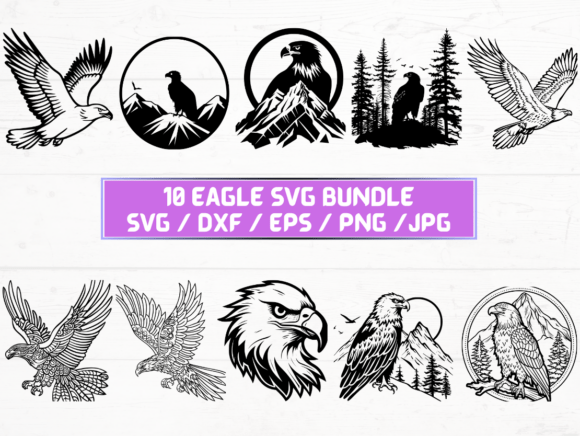
Understanding Eagle SVG, DXF, EPS, JPG, and PNG Files
In today’s digital landscape, file formats play a crucial role in how we create, share, and use visual content. Among the most widely used formats are Eagle SVG, DXF, EPS, JPG, and PNG. These formats cater to different needs, from design and engineering to web and print publishing. Whether you're a professional designer, a hobbyist, or a business owner, understanding these file types can significantly enhance your workflow and project outcomes.
What Are Eagle SVG, DXF, EPS, JPG, and PNG?
Eagle SVG is a vector graphic format commonly used in design software like Eagle, a popular tool for PCB (Printed Circuit Board) design. It allows for scalable, high-quality images that maintain clarity at any size. DXF stands for Drawing Exchange Format, which is widely used in engineering and architectural fields for 2D and 3D designs. EPS (Encapsulated PostScript) is another vector format known for its compatibility with various design applications and its ability to preserve quality when scaled.
JPG and PNG are raster image formats, meaning they are made up of pixels. JPG is ideal for photographs due to its efficient compression, while PNG offers lossless compression and supports transparency, making it perfect for logos and graphics that need to blend seamlessly into backgrounds.
Each of these formats has its own strengths and limitations, and choosing the right one depends on your specific needs. For instance, if you're working on a project that requires scalability and precision, vector formats like Eagle SVG, DXF, and EPS might be more suitable. However, if you're dealing with complex images or photos, JPG and PNG could be better options.
Where Can You Use These Formats?
The versatility of these formats means they can be used across a wide range of industries and applications. Eagle SVG files are often used in electronics design, where precision and scalability are essential. DXF files are common in architecture, construction, and manufacturing, where detailed blueprints and schematics are necessary.
EPS files are frequently used in graphic design and publishing because they maintain quality at any scale. They are also compatible with a variety of software, making them a reliable choice for designers who work across multiple platforms.
JPG and PNG files are ubiquitous in both online and print media. JPG is particularly well-suited for photographs and web images, while PNG is preferred for logos, icons, and images that require transparency. These formats are also commonly used in social media, e-commerce, and marketing materials.
Who Benefits From These Formats?
These file formats are beneficial for a diverse audience, including professionals, creators, and business owners. Designers and engineers rely on Eagle SVG, DXF, and EPS for their precision and scalability. Business owners and marketers use JPG and PNG for branding, advertising, and online presence.
Creativity enthusiasts and hobbyists also find value in these formats. Whether you're creating custom graphics for personal projects or designing for clients, having access to a variety of file types ensures that your work can be adapted and shared effectively.
Strengths and Limitations
One of the main advantages of vector formats like Eagle SVG, DXF, and EPS is their scalability. Unlike raster formats, vector images do not lose quality when resized, making them ideal for large-format printing or digital displays. Additionally, these formats support advanced features such as layers, paths, and text, which are essential for complex designs.
Raster formats like JPG and PNG have their own set of benefits. JPG is excellent for photographs and images with a lot of detail, while PNG offers lossless compression and transparency, making it perfect for web graphics and logos. However, raster images can become pixelated when scaled up, which is a limitation to keep in mind.
Another consideration is file size. Vector formats tend to be smaller in size compared to high-resolution raster images, which can be beneficial for web use and storage. However, this may vary depending on the complexity of the design and the level of detail included.
Real-World Applications
Let’s explore some real-world scenarios where these file formats come into play. In the field of electronics, Eagle SVG files are used to create circuit diagrams and PCB layouts. Engineers and designers use these files to ensure accuracy and precision in their designs.
In architecture, DXF files are used to create detailed blueprints and structural plans. These files are often shared between architects, contractors, and engineers to ensure consistency and accuracy throughout the project lifecycle.
Graphic designers and illustrators frequently use EPS files for their versatility and compatibility. Whether it's for print or digital media, EPS files offer a reliable solution for maintaining quality and flexibility.
For online businesses, JPG and PNG files are essential for product images, banners, and promotional materials. These formats allow for easy sharing and integration into websites, social media, and e-commerce platforms.
Choosing the Right Format for Your Needs
When selecting a file format, consider the purpose of your project and the intended use of the file. If you're working on a design that will be printed at a large scale, vector formats like Eagle SVG, DXF, and EPS are the best choices. For web-based content, JPG and PNG are typically more appropriate due to their compatibility and performance on the web.
It's also important to think about the software you'll be using. Some programs may not support all file formats, so it's a good idea to check compatibility before finalizing your file type. Additionally, always ensure that your files are properly formatted and optimized for the intended use case.
Ultimately, understanding the differences between Eagle SVG, DXF, EPS, JPG, and PNG can help you make informed decisions and improve your workflow. Whether you're a professional or a hobbyist, knowing how to choose the right format for your needs can save time, reduce errors, and enhance the overall quality of your work.