Dragon Laser Engraving Cut Files: A Practical Guide to Integration and Use
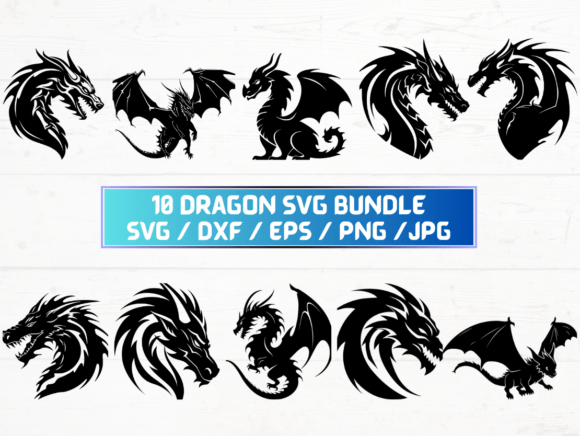
Dragon Laser Engraving Cut Files are a collection of digital assets designed to streamline the laser engraving process. These files come in multiple formats—SVG, PNG, DXF, JPG, and EPS—ensuring compatibility with a wide range of software and hardware. As a digital product, they offer convenience, flexibility, and precision, making them an essential tool for creators, designers, and small business owners looking to enhance their workflow.
Understanding the Value of Dragon Laser Engraving Cut Files
The Dragon Laser Engraving Cut Files include 50 high-quality files in a ZIP folder, each crafted for specific use cases. With resolutions up to 300 dpi and transparent backgrounds, these files are ideal for both print and digital applications. Their versatility allows users to integrate them seamlessly into existing projects or create new ones from scratch.
Whether you're working on personalized gifts, branding materials, or custom products, these files serve as a foundation for your creative process. They eliminate the need for manual design, saving time and reducing errors. This makes them particularly useful for professionals who require consistency and efficiency in their output.
Integration Into Creative Workflows
Dragon Laser Engraving Cut Files can be used at various stages of a project. Before starting a design, they provide a ready-made template that can be customized or modified. During the design phase, they act as a reference point, ensuring alignment with brand guidelines or client expectations. After the design is finalized, they can be exported and used directly in production.
For example, a small business owner creating custom t-shirts might use these files as base designs, then adjust colors or add text using graphic design software. Similarly, a blogger looking to create engraved promotional items could use these files as a starting point for their visual content.
Working with Different File Formats
The variety of file formats included in the Dragon Laser Engraving Cut Files ensures compatibility with most design and engraving tools. SVG files are particularly useful for vector-based editing, while PNG and JPG files are great for raster graphics. DXF and EPS files are often preferred for industrial or manufacturing applications due to their precision and scalability.
When choosing a format, consider the specific needs of your project. For instance, if you're working with a laser engraver that supports vector files, SVGs will provide the best results. However, if you're preparing images for print, PNG or JPG may be more suitable.
Practical Implementation Tips
To get the most out of Dragon Laser Engraving Cut Files, it's important to follow a few key practices. First, organize your files by category or purpose. This helps in quickly locating the right file when needed. Second, always check the resolution and dimensions before use to ensure they meet your project requirements.
Third, consider the software you'll be using. Some programs may require additional plugins or settings to properly render certain file types. For example, when using Adobe Illustrator with SVG files, make sure to enable the correct export settings to maintain quality.
Finally, don't forget to test your files before finalizing any project. This helps catch any issues early on and ensures a smooth execution process. Testing also allows you to fine-tune details like color accuracy and engraving depth, which are critical for professional results.
Workflow Examples
- Custom Gift Creation: A freelance designer can use Dragon Laser Engraving Cut Files as templates for personalized mugs, pens, or keychains. By adjusting text or adding logos, they can create unique products efficiently.
- Branding Materials: A small business owner can incorporate these files into their branding strategy by engraving logos onto signage, packaging, or promotional items.
- Education and Training: Educators can use these files to create interactive learning materials, such as engraved flashcards or educational tools for students.
- Marketing Campaigns: Marketers can leverage these files for custom giveaways, branded merchandise, or event-related décor.
Factors to Consider for Long-Term Use
When integrating Dragon Laser Engraving Cut Files into your routine, several factors should be considered. Preparation is key—ensure that your workspace and tools are set up for optimal performance. Compatibility with your software and hardware is another important consideration, as not all systems may support every file type.
Usability is also crucial. Choose files that align with your skills and goals. If you're new to laser engraving, start with simpler designs and gradually move to more complex ones. Organization plays a role in maintaining efficiency, especially if you're working on multiple projects simultaneously.
Consistency in quality control is vital for maintaining a professional standard. Regularly review your outputs to ensure they meet your expectations. Additionally, staying updated with new software updates or hardware capabilities can help maximize the potential of these files over time.
Enhancing Workflow Efficiency
Dragon Laser Engraving Cut Files can significantly enhance workflow efficiency by reducing the time spent on manual design tasks. Instead of creating everything from scratch, you can focus on customization and refinement. This allows for greater creativity and flexibility in your work.
Moreover, the ability to reuse these files across different projects means you can build a library of assets that can be easily accessed and modified. This not only saves time but also promotes consistency in your output. Whether you're working on a single project or managing multiple clients, having a well-organized collection of files can make a big difference.
In conclusion, Dragon Laser Engraving Cut Files are a valuable resource for anyone involved in creative or production processes. By understanding how to integrate them into your workflow, you can improve efficiency, enhance quality, and achieve better results in your projects.