Mastering Vector and Raster Graphics: A Practical Guide to Cat SVG, DXF, EPS, JPG, and PNG Files
Whether you're a designer, marketer, or small business owner, the ability to work with high-quality graphics is essential. In this guide, we explore how Cat SVG, DXF, EPS, JPG, and PNG files can be integrated into your workflow, from initial concept to final delivery. These file formats are not just tools—they are foundational elements that support creativity, efficiency, and professional output.
The Role of Cat SVG, DXF, EPS, JPG, and PNG in Creative Workflows
Cat SVG, DXF, EPS, JPG, and PNG files serve as versatile assets that cater to different stages of a project. Each format has its strengths and ideal use cases. Understanding these differences helps you choose the right one for your needs.
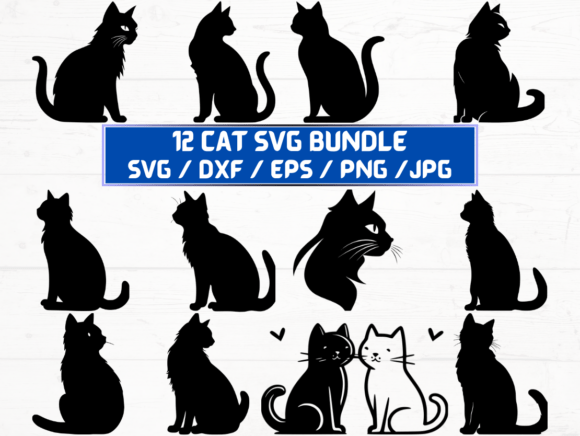
SVG (Scalable Vector Graphics) is a vector format that allows for infinite scalability without loss of quality. This makes it perfect for logos, icons, and illustrations that need to be used across multiple platforms and sizes. With 12 SVG files included in the ZIP folder, you have a comprehensive set of scalable assets ready for any project.
DXF (Drawing Exchange Format) is widely used in CAD software, making it ideal for engineering, architecture, and design projects. The inclusion of 12 DXF files ensures compatibility with various design tools, allowing seamless integration into technical workflows.
EPS (Encapsulated PostScript) is another vector format that supports both vector and bitmap data. It's commonly used in print and publishing industries due to its high quality and compatibility with most design software. Having 12 EPS files means you have a reliable resource for professional-grade outputs.
JPG (Joint Photographic Experts Group) and PNG (Portable Network Graphics) are raster formats that excel in photo editing and web design. JPG is best for photographs due to its compression capabilities, while PNG supports transparency and is ideal for graphics with intricate details. The availability of 12 JPG and 12 PNG files provides flexibility for both digital and print media.
Integrating Cat SVG, DXF, EPS, JPG, and PNG Into Your Workflow
Whether you're working on a marketing campaign, product design, or educational material, integrating these file types can streamline your process and enhance the final result. Let's explore how they fit into different phases of a project.
Pre-Project Planning: Before starting a design project, having access to a variety of file formats allows for better planning. For instance, using SVG files for logo creation ensures that the design remains consistent across all platforms. Similarly, using EPS files for print materials guarantees high-quality output without distortion.
During Development: During the design phase, the versatility of these files becomes evident. Designers can use SVG and DXF files to create detailed mockups and prototypes. Meanwhile, JPG and PNG files can be used for quick visual references or to test color schemes and layouts.
Post-Production: Once the project is complete, the same files can be repurposed for different uses. For example, a PNG file created for a website can also be used in social media posts, while an SVG file can be embedded into a PDF for distribution.
Practical Tips for Using Cat SVG, DXF, EPS, JPG, and PNG Files
While having access to these files is valuable, knowing how to use them effectively is equally important. Here are some practical tips to help you maximize their potential:
- Use SVG for Scalability: When designing logos or icons, always use SVG files to ensure they remain sharp at any size.
- Optimize for Web and Print: For web use, PNG files are preferable due to their support for transparency. For print, EPS or PDF formats are often more suitable.
- Ensure Compatibility: Always check that your design software supports the file format you're using. Most modern design tools like Adobe Illustrator, CorelDRAW, and Inkscape support all these formats.
- Organize Your Files: Keep your files organized by naming conventions and folders. This helps in quickly locating the right file when needed.
- Test Across Platforms: Ensure that your designs look consistent across different devices and platforms. This is especially important when using SVG and PNG files for web content.
By following these tips, you can ensure that your use of Cat SVG, DXF, EPS, JPG, and PNG files is efficient and effective, contributing to the overall success of your projects.
Real-World Applications of Cat SVG, DXF, EPS, JPG, and PNG Files
These file types are not limited to a single industry or application. They are used across a wide range of fields, from graphic design and marketing to education and publishing. Here are a few examples of how they can be applied:
Marketing Campaigns: Marketers can use SVG and PNG files for social media graphics, banners, and email templates. The high quality and scalability of these files make them ideal for branding and promotional content.
Product Design: Product designers can use DXF and EPS files for creating detailed technical drawings and blueprints. These files are essential for ensuring accuracy and consistency in product development.
Education and Publishing: Educators and publishers can use these files for creating instructional materials, infographics, and book covers. The versatility of these formats allows for easy adaptation to different formats and mediums.
Small Business Operations: Small business owners can use these files for creating logos, signage, and promotional materials. The ease of use and high quality make them a cost-effective solution for maintaining brand identity.
Conclusion
Understanding and utilizing Cat SVG, DXF, EPS, JPG, and PNG files can significantly enhance your creative and professional workflow. By choosing the right format for each task and integrating them into your process, you can achieve higher quality results and greater efficiency. Whether you're a designer, marketer, or entrepreneur, these files are invaluable tools that support your goals and contribute to your success.