Mastering Sunflower Stencil: A Guide to Avoiding Common Pitfalls
If you're looking for a versatile and high-quality design tool, the Sunflower Stencil is an excellent choice. Whether you're a hobbyist, a small business owner, or a professional designer, this digital product offers a range of file formats that cater to different needs and applications. But with so many options available, it's easy to make mistakes when choosing, using, or evaluating the Sunflower Stencil. This guide will help you avoid common pitfalls and get the most out of your purchase.
Understanding What the Sunflower Stencil Offers
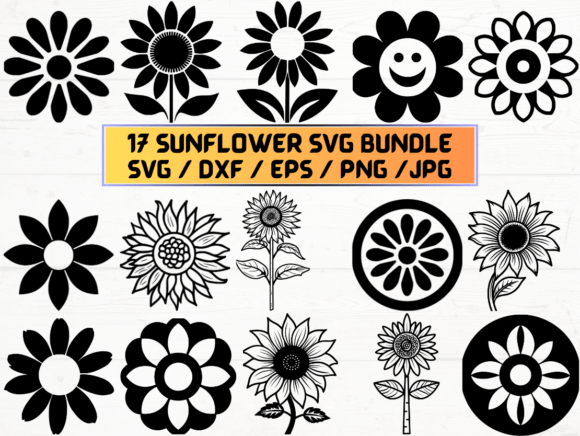
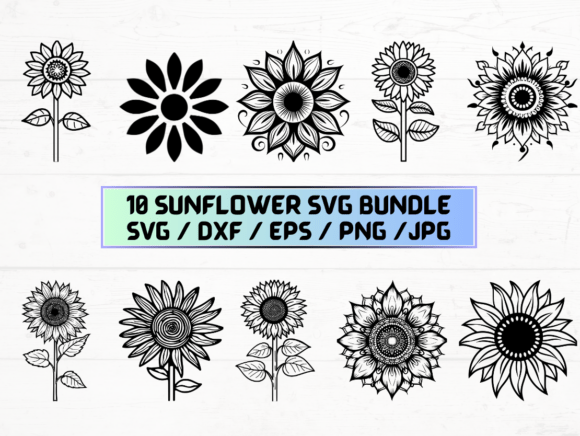
The Sunflower Stencil comes as a ZIP folder containing five types of files: SVG, PNG, DXF, JPG, and EPS. Each format serves a specific purpose, and understanding their differences can save you time and effort in the long run. For instance, SVG files are scalable vector graphics ideal for digital use, while PNG files offer transparent backgrounds, making them perfect for overlays and web design.
One of the key benefits of the Sunflower Stencil is its versatility. With 10 files in each format, you have plenty of options to choose from. However, it's important to know which format suits your project best before downloading. Misunderstanding the file types can lead to wasted time and frustration.
Common Mistakes When Using the Sunflower Stencil
Many users overlook the importance of checking file compatibility before starting a project. For example, if you're working on a print design, you might assume that any file type will work. However, some formats may not render correctly when printed, especially if they lack resolution or transparency support.
Another mistake is assuming all files are the same. While the Sunflower Stencil includes 10 files in each format, they may vary in size, complexity, or design elements. It's crucial to review the files before committing to a purchase. Taking the time to preview the designs can help you identify which ones align with your goals.
Misunderstanding File Resolution and Quality
Resolution plays a significant role in the quality of your final output. The Sunflower Stencil files are provided at 300 dpi, which is standard for print. However, if you're using these files for web-based projects, you might need to adjust the resolution to ensure optimal performance without compromising clarity.
Some users also fail to check for transparent backgrounds, especially when working with PNG files. Transparency is essential for layering designs, but if not properly applied, it can lead to unexpected results. Always verify that the background is truly transparent before using the files in your project.
How to Avoid These Mistakes
To avoid common issues, start by clearly defining your project requirements. Are you creating something for print, digital media, or both? Knowing your needs upfront will help you select the right file types and formats.
Next, take the time to preview the files. Most digital products come with previews, but it's always better to examine the actual files before purchasing. This step can save you from potential disappointments and unnecessary costs.
Additionally, consider the tools you'll be using. Some software may not support certain file formats, so it's wise to check compatibility before importing the Sunflower Stencil into your workflow. If you're unsure, look for user reviews or tutorials that highlight compatibility issues with specific programs.
Realistic Examples and Better Approaches
Let’s say you're designing a promotional poster for a local event. You might think that any stencil file would work, but if you choose a low-resolution image, it could appear blurry when printed. Instead, opt for a high-quality 300 dpi file with a transparent background to ensure crisp, clear results.
Another scenario involves using the Sunflower Stencil for a blog post or social media graphic. In this case, a PNG file with transparency is ideal for overlaying on images or backgrounds. However, if you're using a JPG file, be aware that it may not maintain the same level of detail, especially when scaled up.
What to Check Before Making a Decision
Before purchasing the Sunflower Stencil, ask yourself a few key questions. Do you have the necessary software to open and edit the files? Are you familiar with the different file formats and their uses? Have you considered how the files will be integrated into your overall design?
Also, evaluate the value of the product. Is the price reasonable for the number of files and formats included? While the Sunflower Stencil offers a wide range of options, it's important to determine whether it meets your specific needs or if there are more cost-effective alternatives available.
Finally, read reviews from other users. Their experiences can provide valuable insights into the strengths and weaknesses of the Sunflower Stencil. Pay attention to feedback about file quality, ease of use, and compatibility with various design tools.
Conclusion
The Sunflower Stencil is a powerful tool for designers and creators alike. By understanding its features, avoiding common mistakes, and making informed decisions, you can maximize its potential and achieve professional results. Remember, the key to success lies in preparation, awareness, and thoughtful application. With the right approach, the Sunflower Stencil can become an essential part of your creative toolkit.